
Sources for Hazlet Previous Residents
A backward address trail has different sources for different eras. The current parcel card establishes the block, lot, qualifier, site address, assessed owner, and mailing address. County deeds carry the recorded transfer trail. Historical directories, census schedules, obituaries, and probate material can add people who were associated with the address or family. None alone identifies every person who lived there, but the dated records can be compared without treating one index as a complete household list.
| Evidence source | Years it can cover | Where held | What it can add |
|---|---|---|---|
| Hazlet municipal minute and ordinance records | 1901-1998, with stated minute and ordinance sub-runs | Monmouth County Archives | Development context, public decisions, and local names |
| County deed index online | Deeds from 1970; mortgages from 1976; other published records from 1996 | Monmouth County OPRS | Grantor, grantee, recording details, consideration, and legal description |
| Older deed books and microfilm | Earlier material, with county deeds on State Archives microfilm to 1900 | County Clerk counter and New Jersey State Archives | Earlier conveyances and parcel continuity |
| Tax-list images and parcel material | Portal-controlled historical years | Monmouth OPRS Tax Board and Hazlet Assessor | Annual owner, address, block-lot, and assessment clues |
| Directories, census, and obituary material | Collection-specific; federal census public through 1950 | MCHA, libraries, archives, and licensed databases | Household, occupation, family, and departure clues |
Monmouth County and state custodians split the work. Online search is useful for a recent document, but the Freehold counter, the County Archives, the State Archives, and library reference desks are the documented fallbacks when the property trail predates a portal or a record is not digitized.
Start Hazlet Previous Residents With a Parcel
Use the Monmouth OPRS Tax Board and MOD-IV property system to anchor the address to a municipal block, lot, and qualifier. Hazlet's Tax Assessor directs researchers to current tax maps by street address or block and lot. The MOD-IV detail layer can display the owner, property location, mailing city and state, assessment, class, year built, zone, map page, acreage, taxes, and tax-list history when populated. Save the selected municipality and tax-list year with the result.
The parcel has three distinct descriptions. The situs is the place where the parcel sits. The mailing address is where a tax notice goes and may be outside Hazlet. The legal description is the recorded block, lot, subdivision, or metes-and-bounds wording that ties the deed to the land. Past residents research should never use the mailing address alone as proof that someone lived at the house.
- Grantor
- The party conveying an interest in a recorded deed.
- Grantee
- The party receiving the interest named in the deed.
- Chain of title
- The succession of recorded transfers for the same legal parcel, checked one deed at a time.
- Legal description
- The land-identifying wording in a deed, often using block, lot, subdivision, or metes and bounds.
Note: Preserve the block, lot, qualifier, tax-list year, and record date so a later search can reproduce the parcel match.
Trace Past Residents Through Monmouth Deeds
The Monmouth County Clerk OPRS property-record search is the key recorded-transfer route. Search by block and lot when possible, inspect the purchase deed, and keep its recording date, grantor, grantee, instrument or book-and-page reference, consideration, and legal description. The seller on one deed is often the earlier buyer to search next, but the legal parcel must continue to match. Subdivisions, lot changes, and easements can otherwise create a false chain.
- Find the current block, lot, qualifier, and recorded owner through the tax and parcel records.
- Search OPRS by block and lot, document type, or a matching party name and date range.
- Open the candidate deed and compare its legal description with the parcel before accepting it.
- Use the grantor as a prior grantee search term for the same parcel, then repeat backward.
- Switch to the County Clerk counter or State Archives microfilm when the online period ends.
The public OPRS image is informational and is not a substitute for a formal title examination. Certified copies and detailed title work belong with the County Clerk. When a transaction appears to jump, check plats, subdivisions, court material, or probate before assuming an unexplained change of household.
Online Cutoffs for Hazlet Previous Residents
Online land coverage has documented edges. Monmouth OPRS states that deeds are searchable from January 1, 1970, mortgages from January 1, 1976, IRS liens and releases from January 1, 2010, and other published records from October 1, 1996. Those dates describe online access, not the beginning of the underlying records. The County Clerk counter and the New Jersey State Archives are the routes for older work. The Archives reports county deeds on microfilm to 1900 and mortgages to 1850.
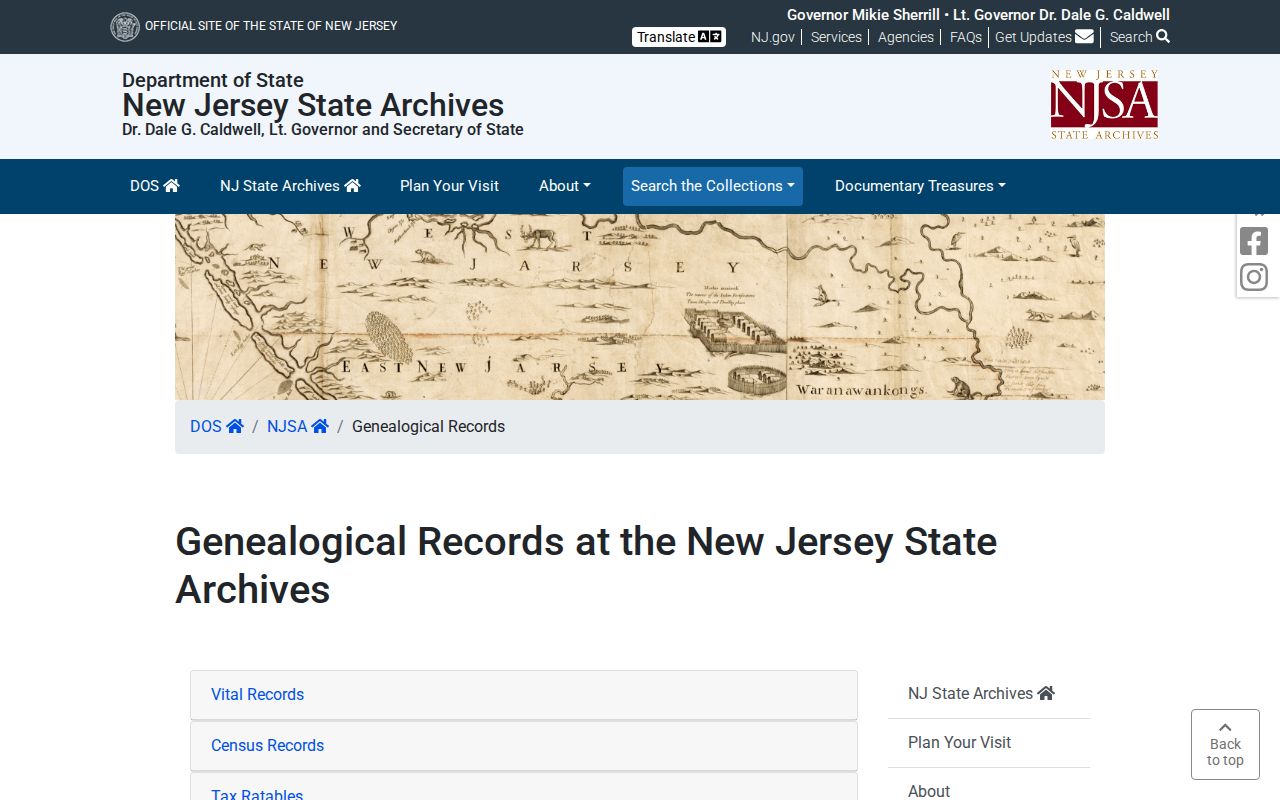
The State Archives genealogical collections page introduces the archival alternatives for land, census, vital, court, and county records.
Write the cutoff next to every no-result. A missing online record can reflect an earlier deed book, a different custodian, a name variation, or an unscanned volume rather than a break in the address history.
Historic Names for Hazlet Previous Residents
Hazlet's municipal history supplies two critical search pivots. The Township was created from Middletown on February 25, 1848 as Raritan Township, then renamed Hazlet Township by a 1967 referendum. A past resident or parcel can therefore appear under Middletown before 1848, Raritan Township from 1848 through 1967, or Hazlet afterward. Put the date beside the municipality during every archive, deed, newspaper, and directory search.
Road history matters as well. The Township's Aumack material identifies Lynn Boulevard as formerly Aumack Lane. A modern street number may not appear in a deed or family record that uses the earlier rural road. Compare the legal description and a dated map instead of simply replacing an old road name with a current one.
Permit Dates in Hazlet House History
Hazlet's SDL permit portal is a useful dating layer, not a complete historical file. A free account is required, and the public instructions describe searches by street, address, or block and lot. Digitized property information starts in 2012. For an earlier permit, application, inspection, violation, approval, certificate, or related record, send a narrow request to the Municipal Clerk under the New Jersey Open Public Records Act. Include the parcel key, address, document type, and date range.
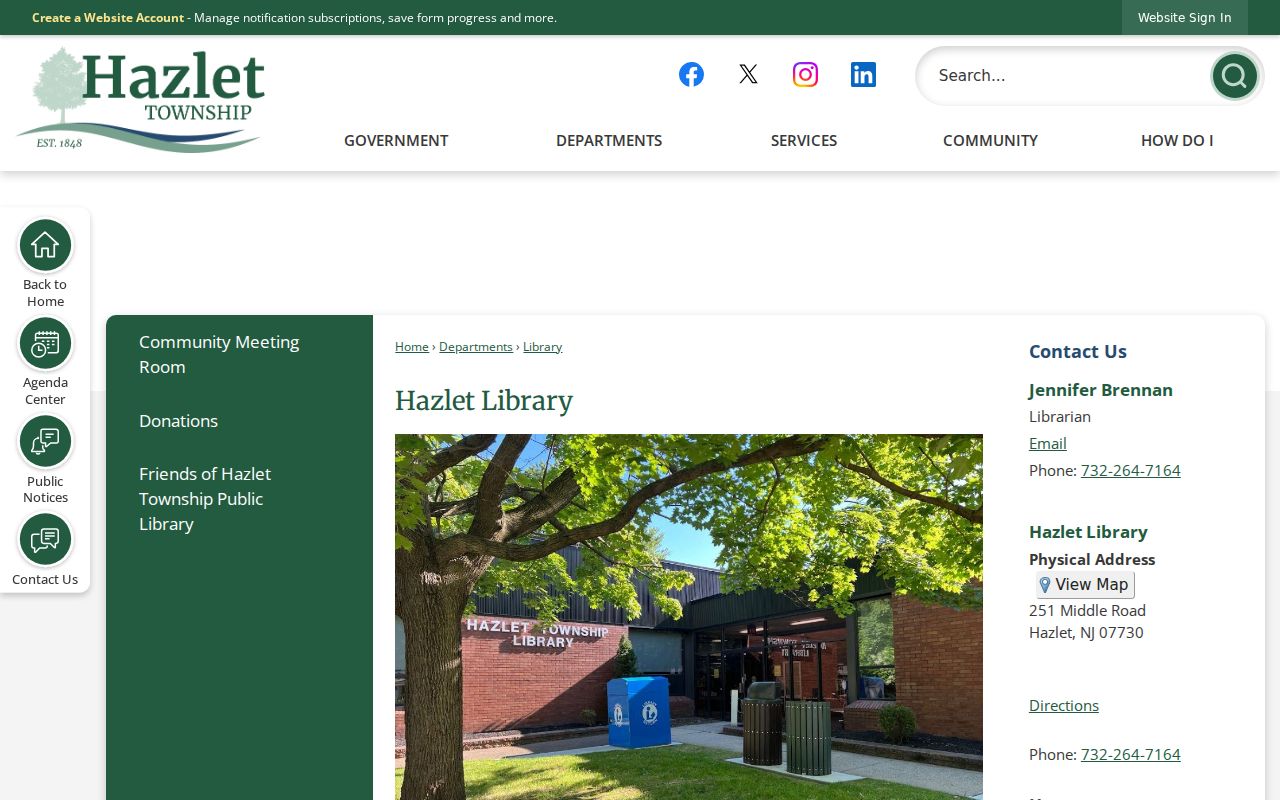
Hazlet Library can help frame the older local context before making a request. The library's official branch page identifies its history and genealogy access.
A permit date can show when work was documented. It does not establish every prior resident, and unposted older records remain subject to the custodian's response and applicable redactions.
Note: Ask for existing address-indexed records rather than asking an office to create a complete ownership history.
Households Behind Hazlet Previous Residents
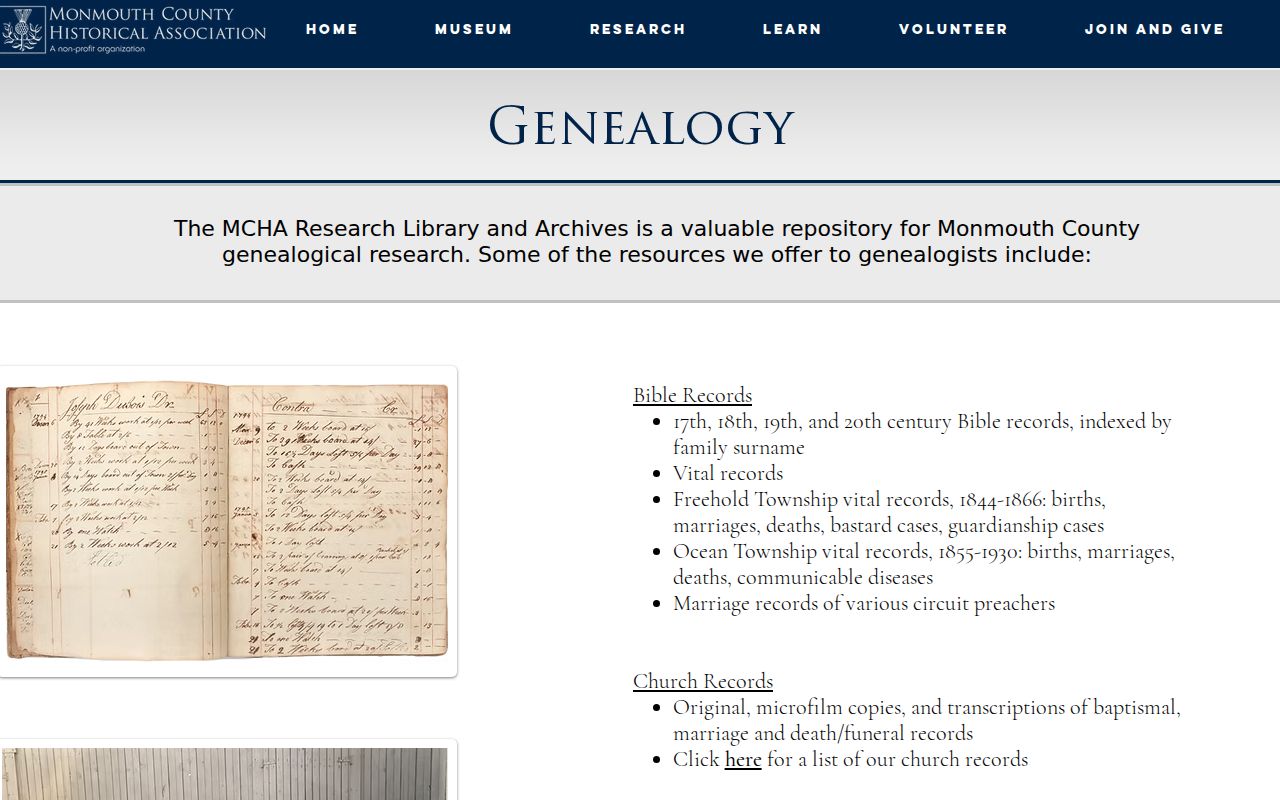
Recorded owners are only one part of an address history. MCHA confirms county and city directories, federal and New Jersey state censuses, newspaper obituary abstracts, cemetery transcriptions, church and Bible records, and surname files. Exact Hazlet directory runs and reverse-directory years are not published online, so a reference request should ask the Hazlet city directories collection route to check the relevant year, street, and historical municipality rather than assume an address volume exists.
Pair a confirmed directory year with the nearest federal census or New Jersey state census. Federal schedules are generally public through 1950. State censuses ran from 1855 through 1915, and Monmouth's 1875 census is available through County Archives. An obituary can suggest relatives, church, or cemetery; a Surrogate file can explain an estate transfer. Use each record for the question it can answer.
The MCHA genealogy holdings page lists the directory, census, obituary, and cemetery resources available for this work.
A household name in a directory, census, obituary, or cemetery transcription is a historical association. Confirm the address and year before linking it to the same Hazlet parcel.
Aumack Evidence of Earlier Hazlet Residents
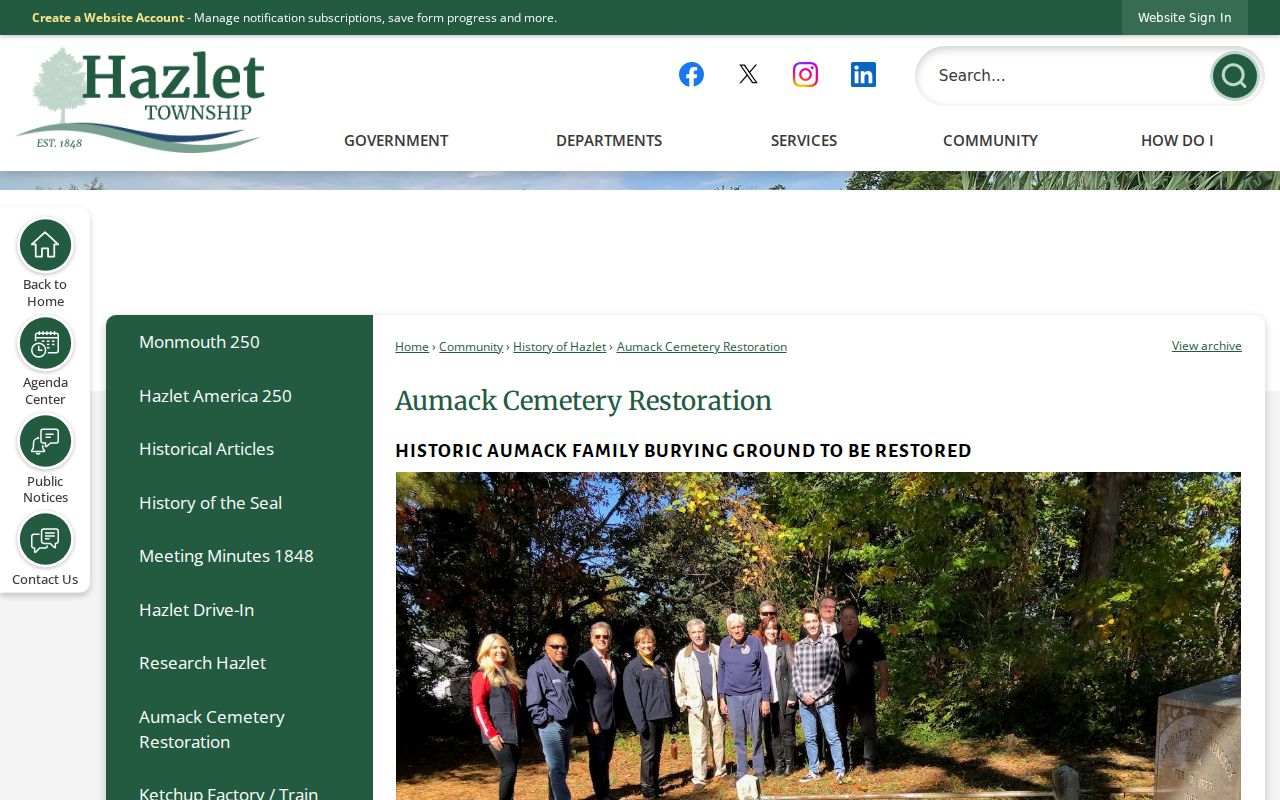
The Aumack Family Burying Ground in Raritan Ridge is a local example of a house-history trail that needs more than one source. Hazlet says an 1852 deed reserved the burial ground for the Aumack family forever. A 1933 survey may identify roughly two dozen graves, and later adjoining deeds helped rebuild the access story after 1950s development surrounded the site. The evidence connects a family name, land description, road history, and cemetery context.
The official Aumack Cemetery Restoration page is the source for the deed and survey context.
It is a useful model for a careful past-residents search: keep the date and record type visible, and do not infer a modern address or current connection from a historic name alone.
Closing a Hazlet Previous Residents Trail
A good endpoint names the source that explains a transfer or disappearance. A subsequent deed can confirm legal succession. A probate file may identify an executor or heirs. An obituary can supply a death date and relatives, while a cemetery record can provide another dated location clue. The Monmouth Surrogate has an online index for 1991 forward, and older estate material belongs with the documented archival routes. Sealed and protected material remains unavailable.
For house history, use the results for family history, property context, or civic research. New Jersey protects covered addresses through Daniel's Law and provides the Address Confidentiality Program for eligible participants. Private utilities, motor-vehicle information, and other protected data are not part of an ordinary address trail.
Note: When the trail cannot be closed, record the last confirmed date and the custodians checked instead of guessing why the connection ended.